Comprehending LLCs: Secret Facts and Advantages


An LLC, or Restricted Liability Business, is a prominent service structure among entrepreneurs throughout numerous sectors. This kind of firm incorporates the limited responsibility attributes of a company with the flexibility and tax obligation efficiencies of a partnership. Establishing an LLC can be a strategic move for company owner that look for to protect their personal properties from service financial obligations and liabilities. Unlike single proprietorships or partnerships where personal and service assets are legally the very same, an LLC provides a lawful splitting up. This splitting up indicates that in the event of suits or service debts, personal possessions like homes, autos, and other valuables are protected. LLCs are also reasonably simple to establish and preserve compared to corporations, making them an appealing option for small to medium-sized business.
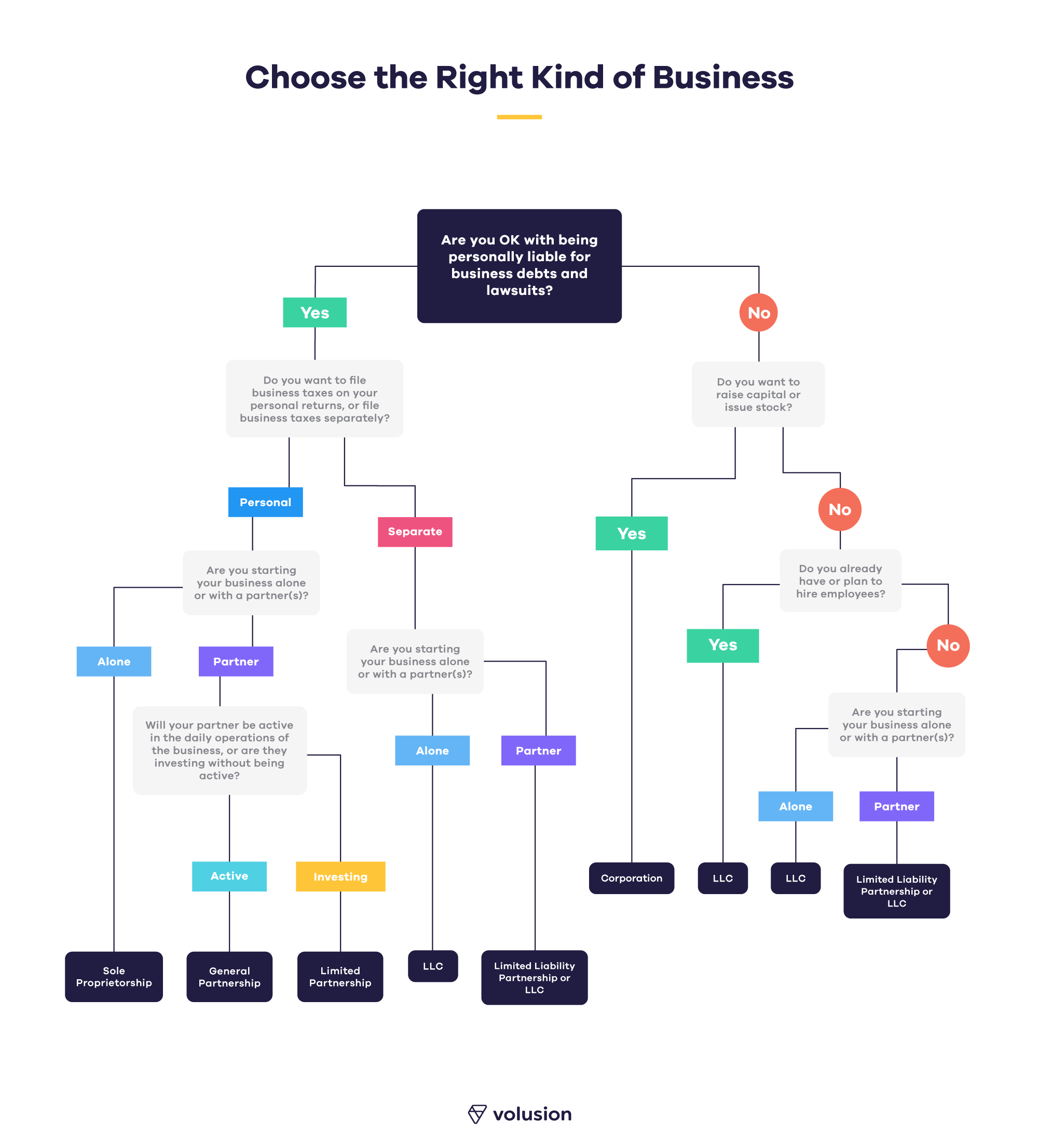
One of one of the most appealing elements of an LLC is the taxation versatility it uses. Proprietors of an LLC can choose to be tired as a single owner, a collaboration, or a firm, depending on what is most beneficial for their situation. This selection permits for considerable tactical planning in terms of monetary monitoring. LLCs do not require a formal monitoring structure as firms do, offering members the freedom to run in a way that ideal suits their company model. This flexibility encompasses the variety of owners (members) an LLC can have; there is no maximum number, and members can consist of individuals, other LLCs, and also companies. Another benefit is the convenience of transfer of ownership, which can be a lot more uncomplicated than in various other business styles, giving beneficial options for company connection and legacy preparation.
Comprehending the Structure and Benefits of Restricted Obligation Firms (LLCs)
A Minimal Liability Firm (LLC) is a prominent service framework in the United States due to its versatility and the protection it provides its owners from individual liability. Essentially, an LLC is a crossbreed entity that combines the pass-through taxation of a collaboration or sole proprietorship with the limited obligation of a company. This framework permits profits and losses to pass with to the proprietor's personal revenue without facing corporate taxes, while likewise shielding individual possessions from service financial debts and liabilities. Establishing an LLC is typically simpler and involves less documents than developing a company, making it an attractive option for tiny to medium-sized services. The proprietors of an LLC are referred to as participants, and there can be one or multiple members in an LLC. Participants may consist of people, various other LLCs, or perhaps companies, depending upon state legislations. One of the considerable benefits of an LLC is the adaptability in management. Unlike companies, which have to adhere to a strict monitoring structure, LLCs can be managed by the members (called member-managed) or by assigned managers (manager-managed), which can include members or outsiders. This versatility permits the LLC to be customized to the details requirements of business and its participants. One more advantage is the absence of limitation on the number of members, which can consist of people, corporations, various other LLCs, and foreign entities. This inclusivity makes it a versatile selection for a varied variety of service tasks. Furthermore, the presence of an LLC can continue constantly, or the participants can define a dissolution date in the Articles of Company. The adaptability and protection features of the LLC make it among the most favored forms of organization structures readily available today, stabilizing the ease of a partnership with the safety of a corporation.
Recognizing the Framework and Benefits of an LLC
When thinking about the framework of a Limited Responsibility Business (LLC), it is very important to identify its special setting in the business world that blends elements of both corporations and collaborations. An LLC is a popular choice for many business owners due to the fact that it provides responsibility security to its proprietors, referred to as members, which implies that in the situation of business failing or legal actions, the individual assets of the members are generally secured. Due to the fact that it supplies a shield versus individual economic risk while supplying versatility in administration and earnings circulation, this structure allures to small and medium-sized service owners. Unlike companies, an LLC is not needed to have a board of directors or hold annual conferences, which can minimize and streamline procedures documents. Moreover, an LLC can pick to be exhausted as a single proprietorship, collaboration, or firm, supplying tactical versatility for enhancing tax obligation responsibilities based upon the particular financial situations and objectives of business. The capability to bring in investment is one more considerable advantage of an LLC. Investors are usually much more prepared to fund businesses that offer obligation defense and have a clear, structured management system. In addition, the integrity related to the LLC structure can improve a company's standing with partners, suppliers, and customers. Lastly, establishing up an LLC can be reasonably uncomplicated, with less demands and lower initial prices compared to corporations, making it an obtainable alternative for several brand-new entrepreneurs.
Comprehending the Structure and Advantages of LLCs
Restricted Obligation Business (LLCs) are a preferred service structure amongst business owners throughout different sectors, using a mix of adaptability and security. This hybrid entity integrates the pass-through taxes features of a partnership with the minimal obligation benefits of a company, making it an eye-catching alternative for numerous entrepreneur. One of the key advantages of an LLC is the defense it provides to its members from individual liability. This suggests that in the instance of organization financial obligations or suits, the personal possessions of the members, such as their financial savings, automobiles, and homes, are generally secured. An additional substantial benefit is the adaptability in administration. Unlike corporations, LLCs are not required to have an official board of directors or hold routine conferences, which can reduce administrative problems and boost functional flexibility. Tax is another area where LLCs use substantial advantages. They are usually based on pass-through taxation, where the firm's earnings are not exhausted at business level but are travelled through to individual participants to report on their personal tax obligation returns. This structure aids avoid the dual tax frequently connected with corporations, where revenues are taxed both at the company and investor degrees. Additionally, LLCs offer considerable flexibility in how revenues are distributed amongst participants. They are not called for to disperse profits similarly or according to possession portions, allowing participants to tailor profit-sharing arrangements to fulfill their particular needs. The procedure of setting up an LLC differs from one state to another, but it normally involves filing the Articles of Company with the state's secretary of state and paying a declaring charge. Although running contracts are not compulsory in every state, they are extremely suggested as they outline the monitoring framework and operating procedures for the LLC, helping and providing clear standards to stop conflicts amongst participants. Furthermore, while LLCs do supply numerous defenses and benefits, they are not appropriate for every single organization type. As an example, services looking for to raise resources through public stock offerings could locate the corporate structure more valuable. In conclusion, LLCs stand for a reliable and flexible business framework that stabilizes the convenience of management with durable personal possession defense and favorable tax treatment. Their adaptability makes them suitable for a large range of company tasks, but business owners must consider their particular business requirements and consult with lawful and economic consultants to ensure that forming an LLC is one of the most useful choice.
Recognizing Limited Responsibility Business (LLCs)
At the heart of local business structuring in the United States, the Limited Obligation Firm (LLC) sticks out as a popular choice as a result of its flexibility and security benefits. This company entity incorporates the pass-through taxes of a collaboration or sole proprietorship with the limited obligation of a company, making it an appealing choice for organization owners. An LLC is legitimately considered a different entity from its proprietors (referred to as participants), which shields those members from personal responsibility in the majority of circumstances. This means that when it comes to financial debt or legal problems, the individual properties of the members, like cars and trucks or residences, usually can not be targeted to clear up service obligations.
Creating an LLC entails a number of steps, including selecting an one-of-a-kind name for the organization, filing short articles of organization with the suitable state agency, and paying necessary state costs. These requirements can vary considerably from one state to an additional, which is why lots of prospective business owners seek advice from economic or lawful professionals during the arrangement procedure. Running arrangements are an additional critical element of creating an LLC. Not called for in every state, these documents describe the monitoring framework of the firm and established the guidelines and procedures that regulate participants' communications to assist stop future disputes.
Among one of the most appreciated benefits of an LLC is the versatility in administration. Unlike firms, which are called for to have a formal structure with directors and police officers, an LLC can be taken care of by its members or by managers who may not be participants. This can be particularly valuable in scenarios where the owners wish to work with external supervisors to handle business procedures. Furthermore, how to search company directors in australia of an LLC is naturally versatile, providing the capability to pick exactly how they are exhausted, which can cause substantial economic advantages. For instance, an LLC can choose to be strained as a sole proprietorship, partnership, S corporation, or C corporation, offering considerable flexibility in monetary planning and possible tax obligation cost savings.
Regardless of these advantages, operating an LLC also comes with its obstacles. The level of documentation and the need for ongoing compliance with state laws can be discouraging for brand-new local business owner. An LLC's functional procedures and versatility could puzzle entrepreneurs unfamiliar with business legislation. As always, it is a good idea to look for expert guidance when establishing an LLC to ensure that all legal demands are fulfilled and maintained, therefore securing the advantages of the LLC structure for the defense and prosperity of the company.